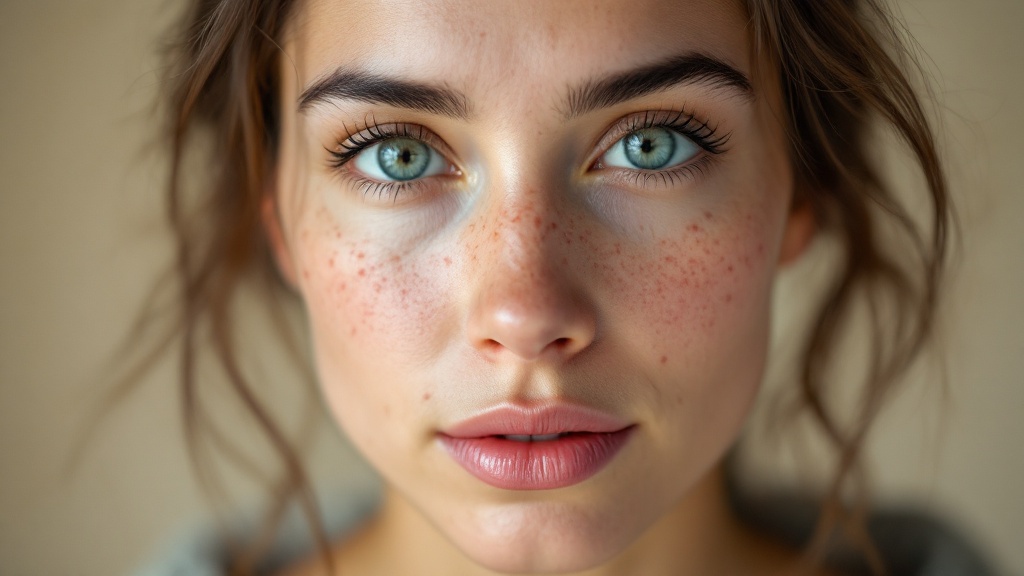
Facial imperfections can be a daily concern, whether they are blackheads, redness, or enlarged pores. While some people believe these imperfections are only linked to adolescence, they actually affect nearly 40% of adults over 25. In this article, discover the different types of imperfections, their precise causes, and most importantly, concrete solutions to achieve healthier skin.
What are facial imperfections?
Skin imperfections appear in various forms on our face, each with its own characteristics and requiring a specific approach. From acne to dark spots, fine lines, and enlarged pores, these imperfections can affect our skin at any age. Understanding their specificities is the first step to adopting the right practices and appropriate treatments.
Characteristics of Imperfections
Each skin imperfection has its own peculiarities. Blackheads, for example, are easily recognizable. They are open comedones that form when sebum and dead skin cells accumulate in the pores. Their black color simply comes from oxidation upon contact with air.
Redness, on the other hand, can be a sign of a skin condition like rosacea. It’s important to have them examined if they persist, as their exact cause will determine the appropriate treatment.
Enlarged pores are very common. They often appear due to excessive sebum production, but can also be linked to a loss of skin elasticity. The good news? Adapted skincare can visibly reduce them. You just need to choose the right products and be consistent in their application.
Why do imperfections appear on the face?
The appearance of imperfections on our face is not random. Our skin reacts to many factors, both internal and external, which can disrupt its natural balance. Understanding these triggers is essential for adopting the right practices and appropriate care.
Internal and External Factors
Skin imperfections are often the result of a combination of factors. Our lifestyle plays a major role. Stress, for example, is responsible for nearly 50% of acne flare-ups. It disrupts our sleep and unbalances our hormonal system.
Our daily habits are also important. An unbalanced diet, rich in fast sugars, can promote the appearance of pimples. Lack of sleep doesn’t help: sleeping less than 8 hours per night increases the risk of skin problems.
Regarding external factors, pollution is particularly aggressive. It dehydrates the skin and stimulates sebum production. UV rays can also weaken our skin barrier. Even seemingly harmless actions like touching your face with dirty hands or an uncleaned phone can cause imperfections.
Lifestyle Impact
Our lifestyle directly influences the condition of our skin. Daily stress, for example, disrupts our sleep and increases cortisol production, which can trigger imperfection flare-ups. A poor diet also plays a role: excess sugars and fats promote the appearance of pimples.
The good news? A few simple habits can make a difference: • Get enough sleep to allow the skin to regenerate • Drink enough water throughout the day • Prioritize a diet rich in fruits and vegetables • Engage in regular physical activity to eliminate toxins
Tobacco and alcohol are particularly harmful: they dehydrate the skin and slow down its cellular renewal. Reducing their consumption helps achieve a fresher and more even complexion.
How to remove all facial imperfections?
After identifying the factors that cause imperfections, it’s time to take action with concrete solutions. Although each type of imperfection requires a specific approach, there are proven methods to achieve healthy and radiant skin. From daily routines to more targeted treatments, let’s discover together the most effective solutions for addressing these skin concerns.
Tips for Healthy Skin
Taking care of your skin daily is simpler than you might think. A basic four-step routine is often enough: cleansing, toning, moisturizing, and weekly exfoliation. This approach already yields visible results.
A few simple habits can also make all the difference: • Regularly change your sheets to avoid bacteria buildup • Prioritize a diet rich in vitamins C and E to strengthen your skin • Apply broad-spectrum sunscreen, even in winter • Drink enough water throughout the day
Remember that every skin is unique. Listen to yours and adapt these tips according to its reactions. If certain products or practices don’t suit you, don’t hesitate to modify them or space them out over time.
Suitable Products and Techniques
To effectively treat imperfections, choosing the right products is essential. An anti-blemish facial cleanser forms the basis of an effective daily skincare routine. Opt for mattifying and non-comedogenic formulas, especially if you have oily skin. These products prevent pore clogging while regulating excess sebum.
Here are the most effective products and techniques according to the type of imperfection:
• For active imperfections: use a specific anti-blemish treatment containing active ingredients like salicylic acid or niacinamide. These ingredients help purify the skin and prevent the appearance of new imperfections.
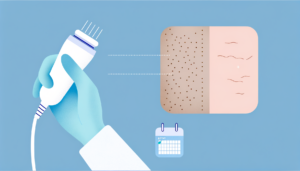
• For acne scars: chemical peels and laser treatments yield excellent results. These professional techniques gradually fade marks and improve skin texture.
• For excess sebum: opt for clay or activated charcoal masks, to be used once or twice a week. They effectively absorb sebum without irritating the skin.
Remember to adjust the frequency of use of these products according to your skin’s reactions. A gradual approach helps avoid irritation while achieving the best results.
Actions to Avoid to Limit Imperfections
Now that we’ve covered solutions for treating imperfections, let’s focus on prevention. Indeed, certain daily habits, sometimes seemingly harmless, can worsen our skin’s condition and promote the appearance of imperfections. Let’s discover together the main reflexes to avoid to preserve your skin’s health.
Common Mistakes
Certain daily actions can compromise our skin’s health. The first and arguably most common mistake is touching your face with dirty hands. Our hands come into contact with many surfaces and accumulate bacteria and impurities throughout the day. Transferring them to our face risks causing imperfections.
Another harmful habit: popping pimples. It’s tempting, but this action can worsen inflammation and leave scars. Furthermore, the pressure exerted risks spreading the infection to neighboring areas.
Here are other common mistakes to avoid: • Using overly aggressive products that weaken the skin barrier • Applying multiple treatments inconsistently, risking skin irritation • Neglecting the condition of your products and using expired cosmetics
The key is to adopt a gentle and respectful approach to your skin. The less you mistreat it, the healthier it remains.